#8: Creating Leaf Mulch
This week, I investigate the different types of mulch that are recommended for native landscapes and create my own leaf mulch using a leaf vacuum.

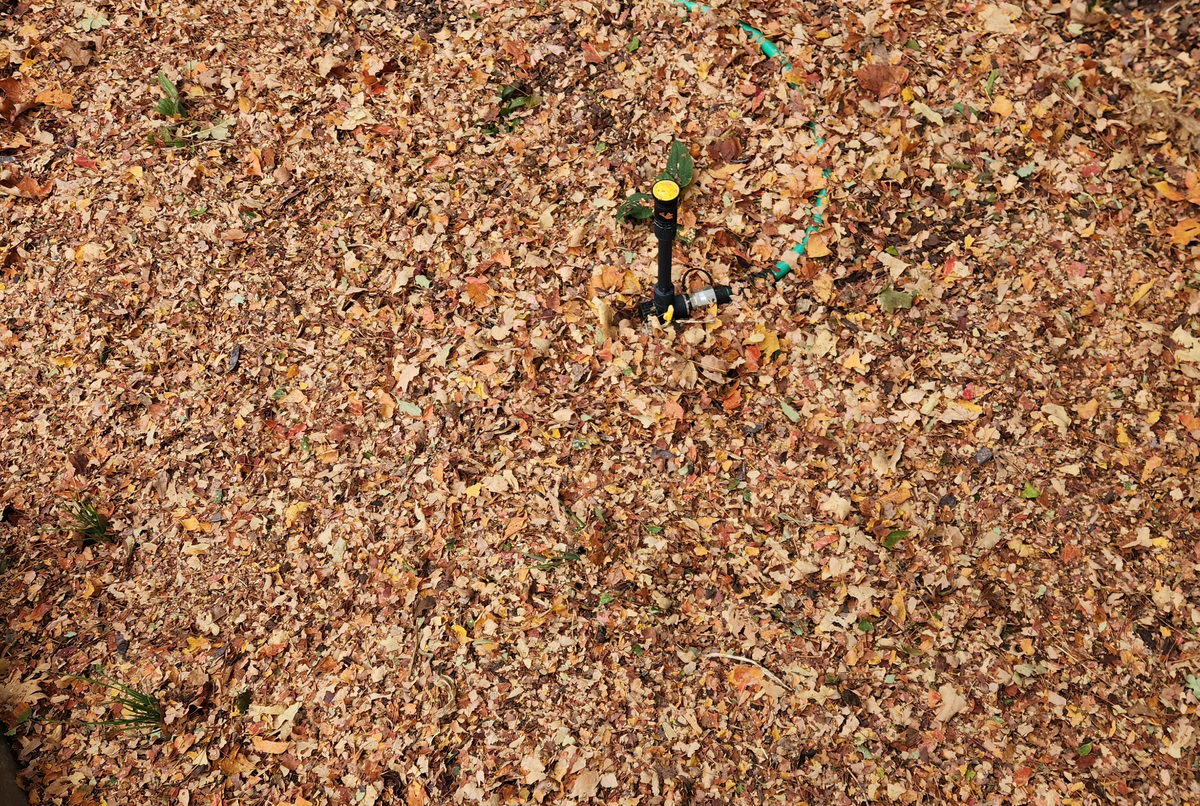
Many, many years ago when I was in college, I read in a textbook for my summer flowering plants class that Indiana used to be 99% covered in trees. It was basically one giant forest. Looking around my neighborhood, I believe it. There are trees everywhere.
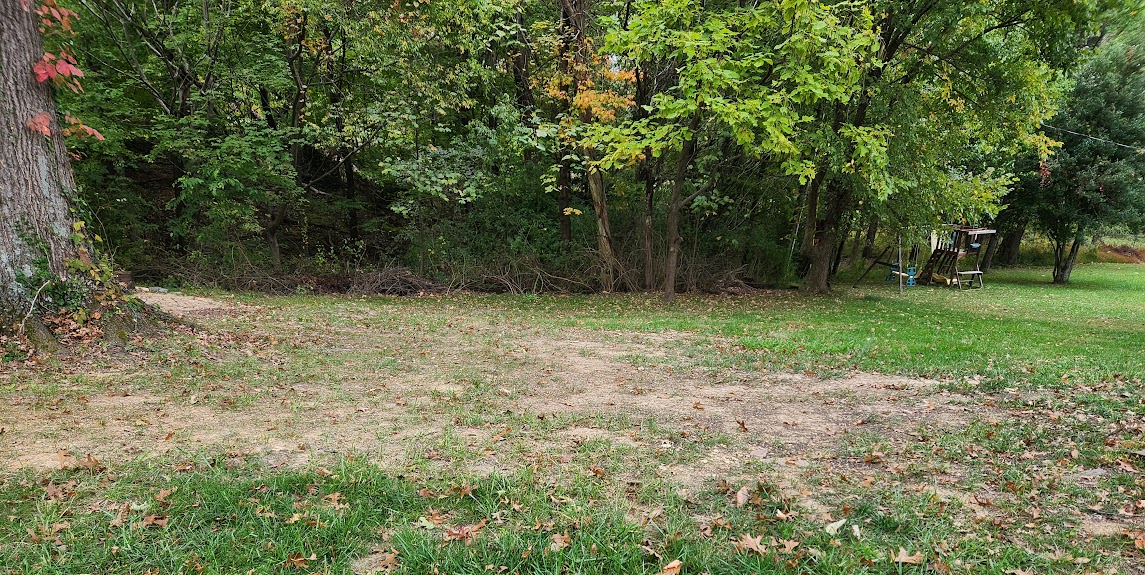
This creates both benefits and disadvantages. As far as the benefits: trees are beautiful, the neighborhood is beautiful, and in the summer when the trees all have leaves, you wouldn't even know there's more neighborhood behind my house.
But there are disadvantages too. Trees are a bit treacherous. One day I was sitting in my basement and heard a huge thump. I looked out into the backyard to see that a massive branch had fallen off of my oak tree.
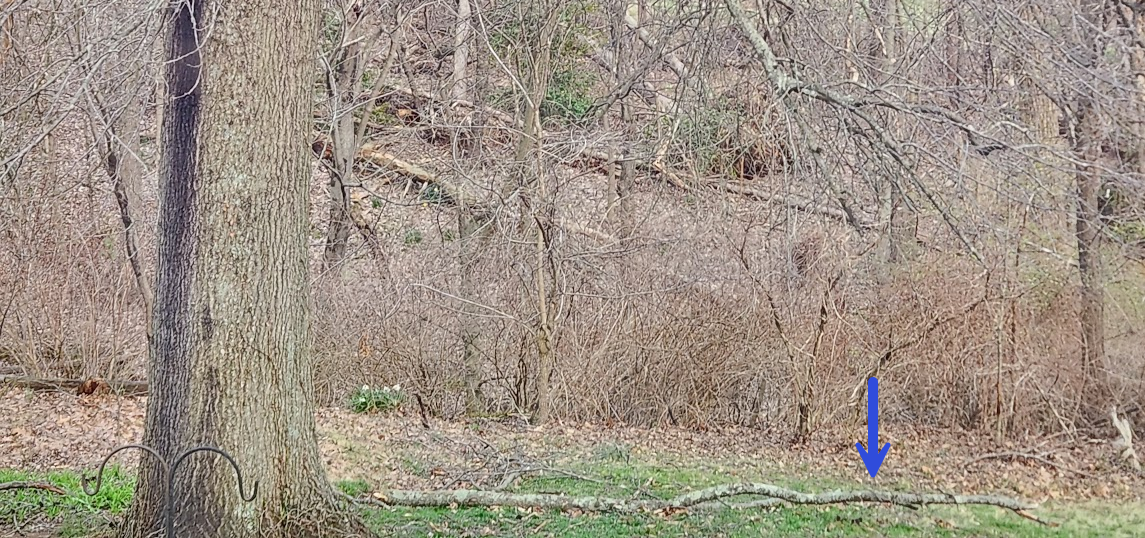
It wasn't storming or particularly windy when this happened. Just a normal sunny day. I couldn't help but think about what might have happened if I'd been under the tree when it fell. I spend a lot of time outside.
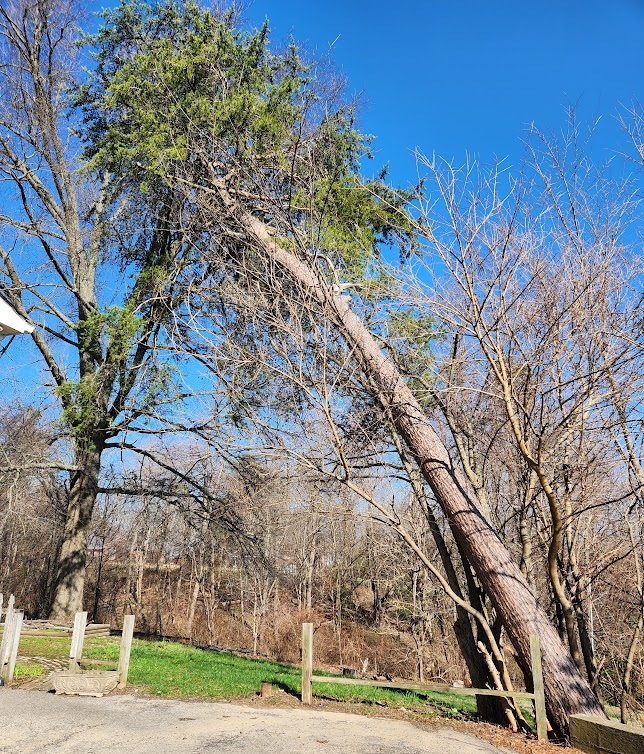
Trees can also be dangerous for your house. We had a bad storm a few years back that knocked over an ancient pine tree that was growing right next to the house. Thankfully, it fell away from the house (and was actually caught and held up by the oak tree in the back yard), but the experience made me much warier about having giant trees so close to the house.
Beyond the danger, I've learned living in this house that trees are incredibly aggressive. If you have a section of yard that isn't mowed regularly, trees will grow there. Indiana wants to be one big forest again.
But given their ability to destroy a house (or a person), it's important to keep them at bay. They have their areas, and I love them, but I also have my areas, and I don't want them in my areas. If I'm going to be replacing the mow-able parts of my yard with sections of native plants that won't be mowed, I need a way make it at least slightly harder for trees to work their way in.
Mulch is the solution to this problem. Mulch makes it harder for tree seeds to get down to the dirt where they can germinate, sprout, and grow very deep and impossible to completely remove roots before you even know they're there. It was time to take a deep dive into the best way to mulch around native plants.
There are lots of different ways to mulch, lot of different materials you can use, and lots of differing opinions and caveats to consider when making a decision.
First, don't ever mulch with rocks, and don't ever use landscape fabric. Neither will keep the things you don't want growing from growing there anyway.
Rocks look good for a season but eventually end up with plants growing through them, and the rocks make getting those things out very difficult. Rocks never break down, so if you change your mind, it's an absolute nightmare to remove them, and they spill all over your yard, creating tripping and mowing hazards everywhere.
Landscape fabric is bad for the planet and bad for your soil, and it just doesn't work. When I moved into this house, there was really thick landscape fabric all through my garden beds with vines growing under, over, and through them. Getting the fabric up was incredibly labor-intensive, and the dirt beneath it was dry, compacted, and stripped of nutrients.
As far as the types of mulch that are typically recommended for native landscaping, there are three options:
- Wood chips: This is basically cut down trees and tree limbs that have been run through a wood chipper. You can use a service like ChipDrop to get a literal truck load of it.
- Leaf mulch: You can either just chop up your leaves and pour them on as mulch (chopping them helps them decompose faster, especially when you're dealing with slow-decomposing leaves like those from oak trees) or compost them for a year and then spread them as mulch.
- Living mulch: This is the most popular recommendation — use naturally spreading ground cover plants to fill in any bare spaces around your other plants to limit the ability of volunteers to move in.
Ultimately, I want to use living mulch, but that won't work for the first year or two because the ground covers need time to grow their root systems and start spreading. So I need an interim solution. I ended up deciding to go with leaf mulch because I have plenty of trees (and plenty of leaves in fall), and I also don't really know where I would put a truck load of wood chips at the moment.
The big benefits of leaf mulch are that leaves break down quickly, and that process adds more nutrients to your soil. It's also free if you, like me, have more leaves than you know what to do with in the fall. And because the leaves decompose quickly (but not instantly), it can prevent unwanted plants from growing for a time but also allow native plants to spread naturally later after the leaves decompose, which I definitely want because plants are expensive.
To make my leaf mulch, I decided to buy this combination leaf blower and vacuum from Amazon. I liked it because the vacuum feature has a blade that chops the leaves up when they pass through, and it also has a backpack so I can walk around normally without have to hold the vacuum in one hand and a bag of leaves in the other. The vacuum is relatively heavy, so having the flexibility to switch arms or carry it with both arms was a big incentive for me.
Once the leaves started falling, I got my vacuum out and got to work. It picks up a lot of leaves, and it's easy to dump the leaves out of the backpack bag when it's full. After I dumped the leaves into my garden, I decided that leaf mulch is actually much prettier than I expected it to be.
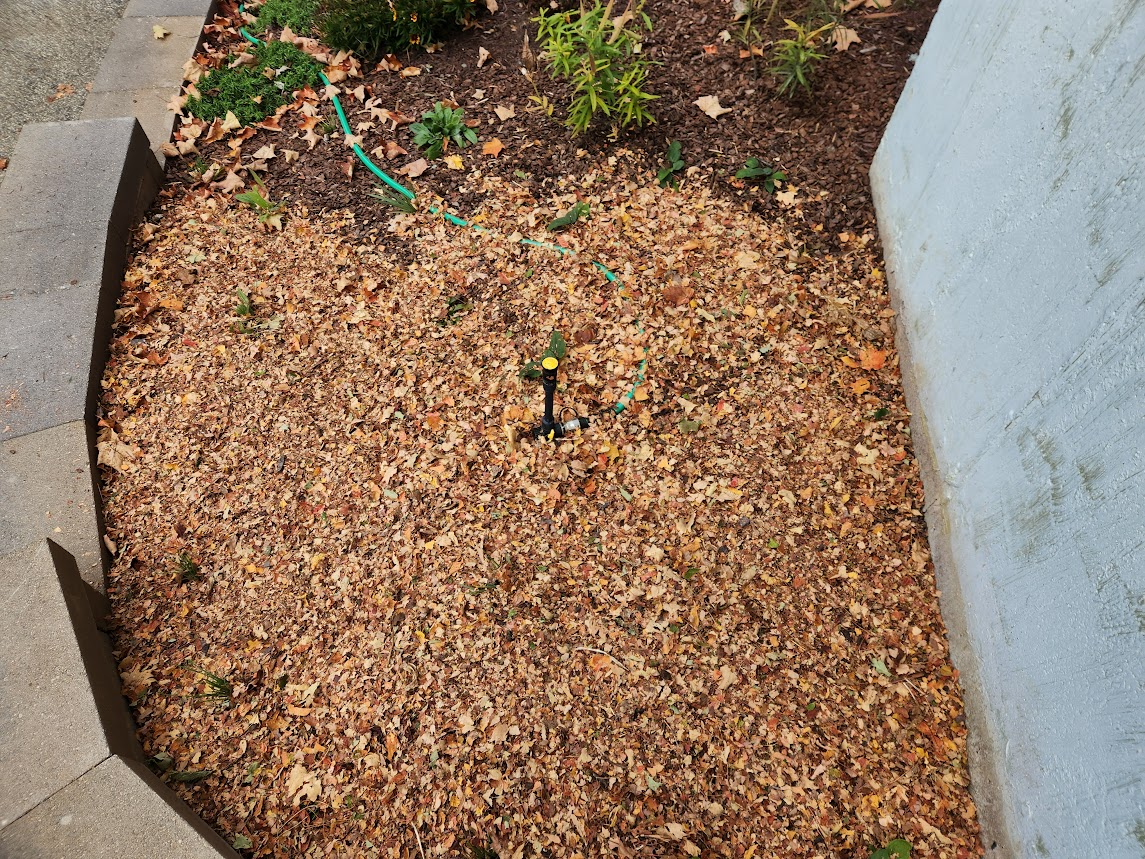
My plan is to see how this performs over the winter and into spring before deciding if this is the ideal method or not. Do the leaves all blow away? And if they don't, do they actually keep unwanted plants from growing up around the things I've intentionally planted? Make sure to subscribe to find out in the spring!
Next Post:
 Jessica Greene