#13: Killing Grass With Cardboard
Spring is here, and my plants have arrived! The first project I'm tackling is killing my grass and planting a row of seven Red Twig Dogwoods.

It's the most wonderful time of the year. Nothing feels better than spring when the grays and browns turn gradually to blues and greens and I can finally get back out into the yard after months of longing.
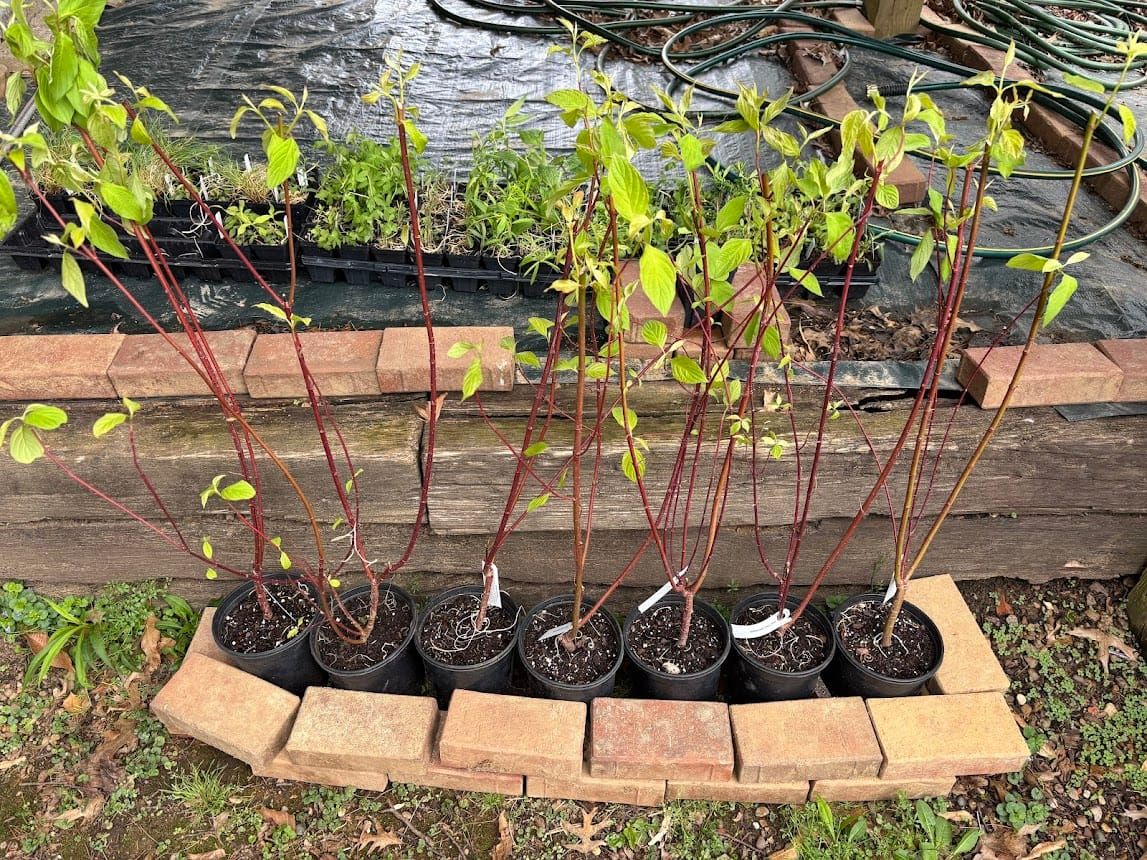
When the plants I preordered earlier in the year finally arrived in the last week of March, the first thing I wanted to get in the ground were the seven Red Twig Dogwood (Cornus Sericea) I purchased to run in a row in front of the forested area of my back yard. It's the first step in the layering I want to do in front of that forested area, and it will help block my brush piles.
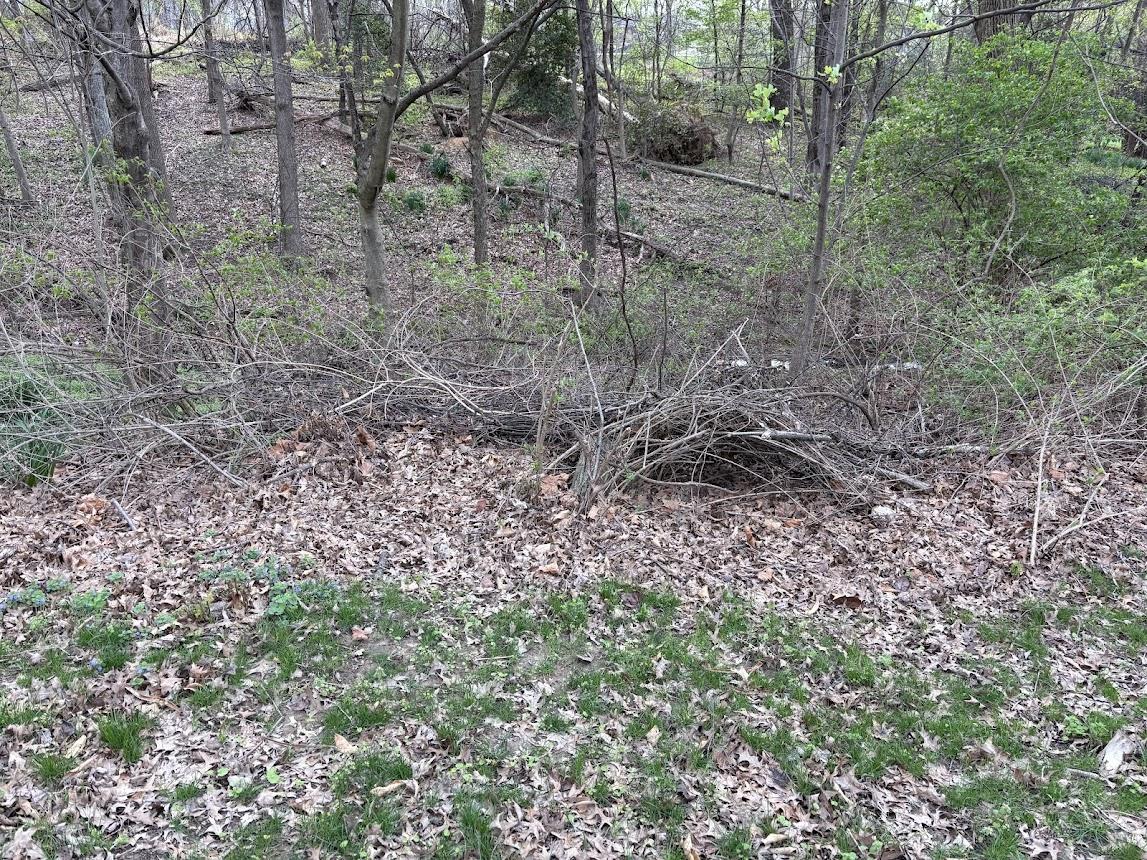
The trees around my house drop endless sticks and branches, and a couple of years ago, I gave up on trying to break them into small pieces and collect them all in lawn waste bags to dispose of them. Otherwise, I just spend all spring and summer breaking branches apart. Plus, I learned that brush piles create safe spaces for wildlife. I actually noticed recently that there's a den of young foxes living back in this forested area behind my house.
Still, brush piles aren't the most beautiful things to look at, so I thought hiding them behind some shrubs would be the perfect way to make the view from my rear-facing windows less of an eyesore.
The first thing I needed to do was cover the area with cardboard to kill the grass growing there. I'm trying this method, which many people swear by, because it seems like the simplest and most environmental approach. I've used tarps in the past to solarize areas, but I learned that tarps can release microplastics into the ground. Cardboard with a thick layer of dirt, compost, leaves, or mulch has the same effect as a tarp in that it smothers the grass and blocks light from getting to it, but it also biodegrades over time and doesn't fill your soil with plastic.
Planning for my backyard naturalization project, I saved all of the cardboard I could get my hands on over winter. I felt like I had enough cardboard to cover my entire backyard, but it didn't even manage to stretch across the entire row of yard where I planned to plant the Dogwoods. I ended up having to fill in the rest of the space with paper lawn waste bags, which I had quite a few of.
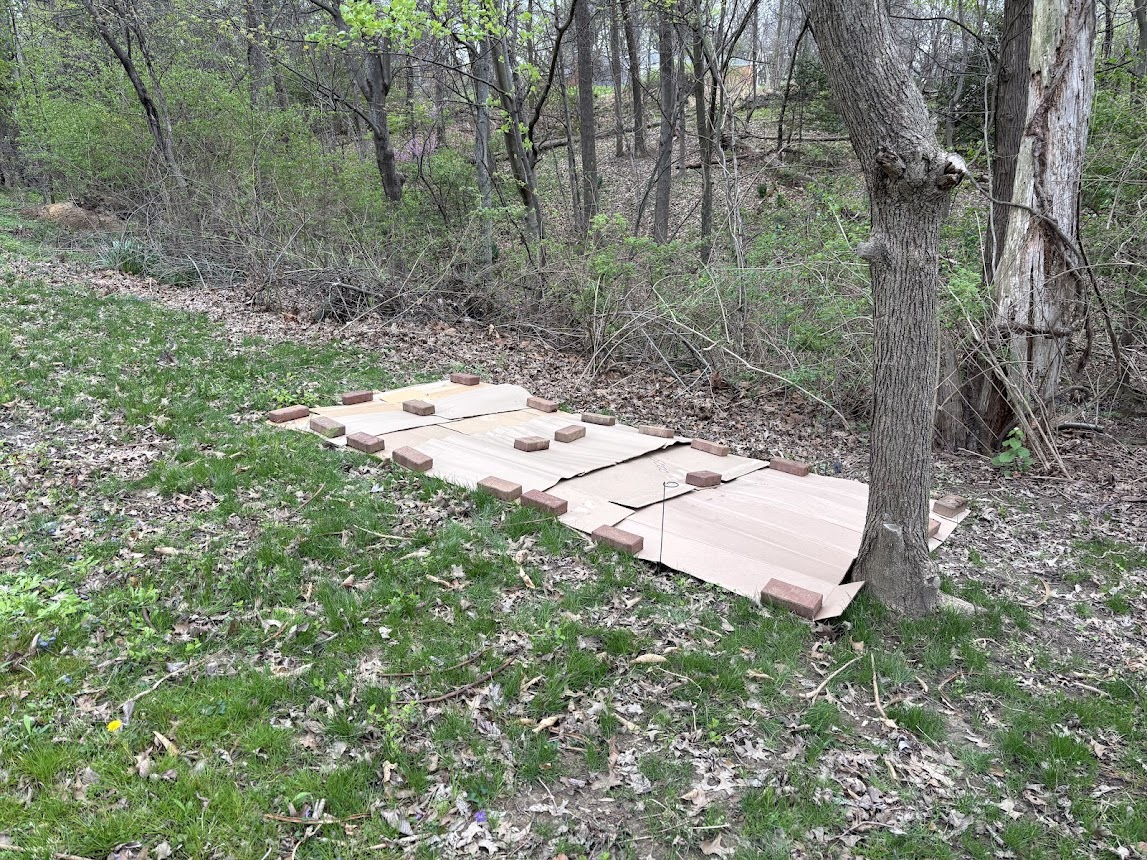
In the end, dealing with the cardboard was more trouble than it was worth (the "worth" was the cost-savings of using something I would otherwise recycle rather than having to buy something new). You have to pull all of the stickers and tape off of the boxes before you put them on the ground; otherwise you end up with the same microplastics problem as tarps (and a bunch of plastic left behind after the boxes biodegrade). I should have done this as I received the boxes in the winter, but I didn't. And doing all of that work when I was excited to get to planting was tedious and time-consuming.
Also, the boxes were all types of shapes and sizes, so I really had to puzzle them together to make them work. The lawn waste bags, which are evenly sized, were much easier to work with.
If I end up doing this again, I think I'll just fork out the money for a big roll of butcher paper. Being able to lay it out in long sheets and avoid the tedious exercise of removing tape and stickers feels well worth the (really fairly small) expense.
The other problem I realized I was going to have was that the leaves I'd planned to use as mulch weren't going to work in that area. I would have needed to compost them so they'd be heavier, but I didn't do that. With nothing to enclose the area, the mulched leaves were likely just going to blow away and fail to keep the cardboard in place, so I ended up having to buy pine bark mulch instead.
In the end, though, it looked really nice.
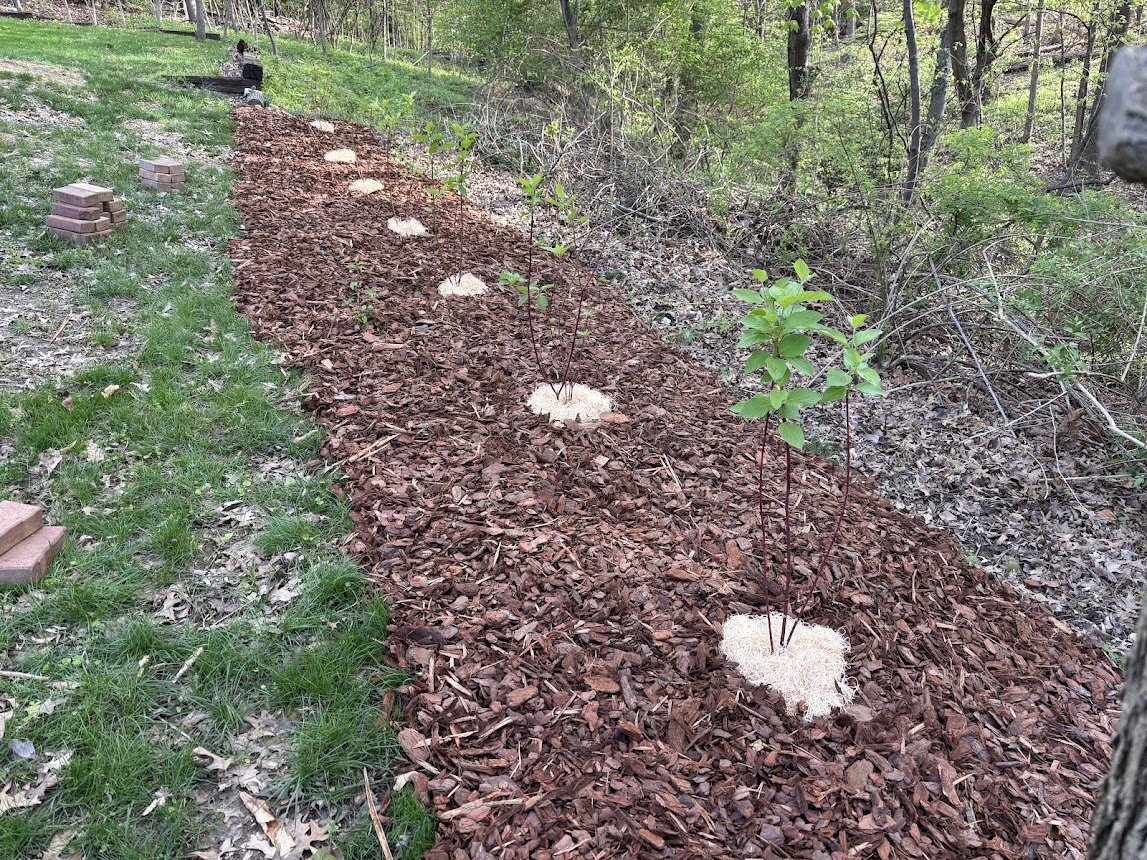
Unfortunately, I discovered another issue less than 24 hours after getting the shrubs in the ground. Apparently, Red Tree Dogwood is a deer delicacy. The very first night after I planted them, the deer came by and chomped several of them down — stems and all.
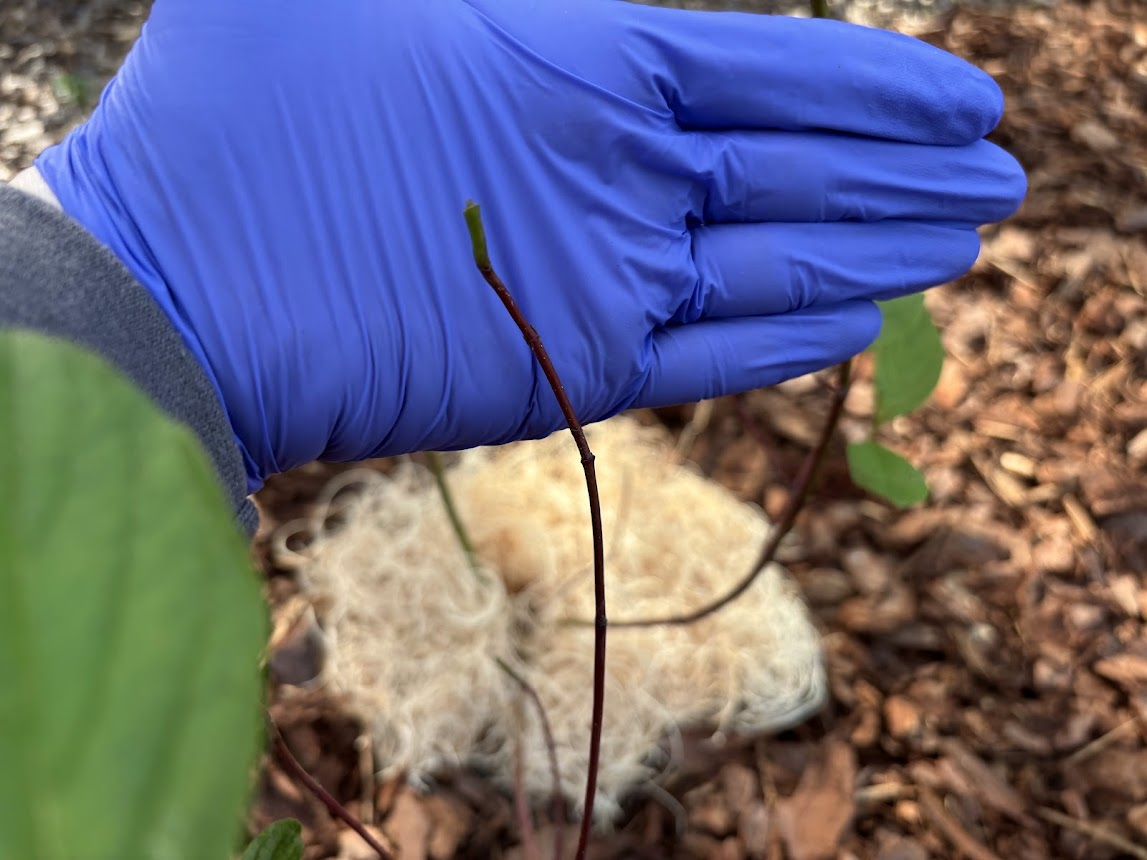
I was going to have to find some way to keep the deer away from the shrubs or I was going to have a beautiful row of mulched lawn with nothing growing in it. That wasn't going to do at all. Shrubs are pricey, and it took a whole weekend to finish this project.
I'd planned to use some leftover chicken wire to create small fences around the Dogwoods, but because that part of the yard is sloped, it didn't work out. First, creating them was a lot of work. Second, the fences were leaning against the shrubs because of the angle of the lawn, and if you have anything that holds up the stems of shrubs or trees, they won't grow strong on their own because they don't need to. Third, my plan to hold them in place with zip ties and wooden stakes proved almost impossible. I couldn't get the zip ties though the chicken wire easily.
So I turned to Amazon to see if I could find something temporary and easy to install that I can leave around the shrubs for the first year to prevent deer from eating them to the ground before they can establish. I ended up finding this fence, and it was a great choice.
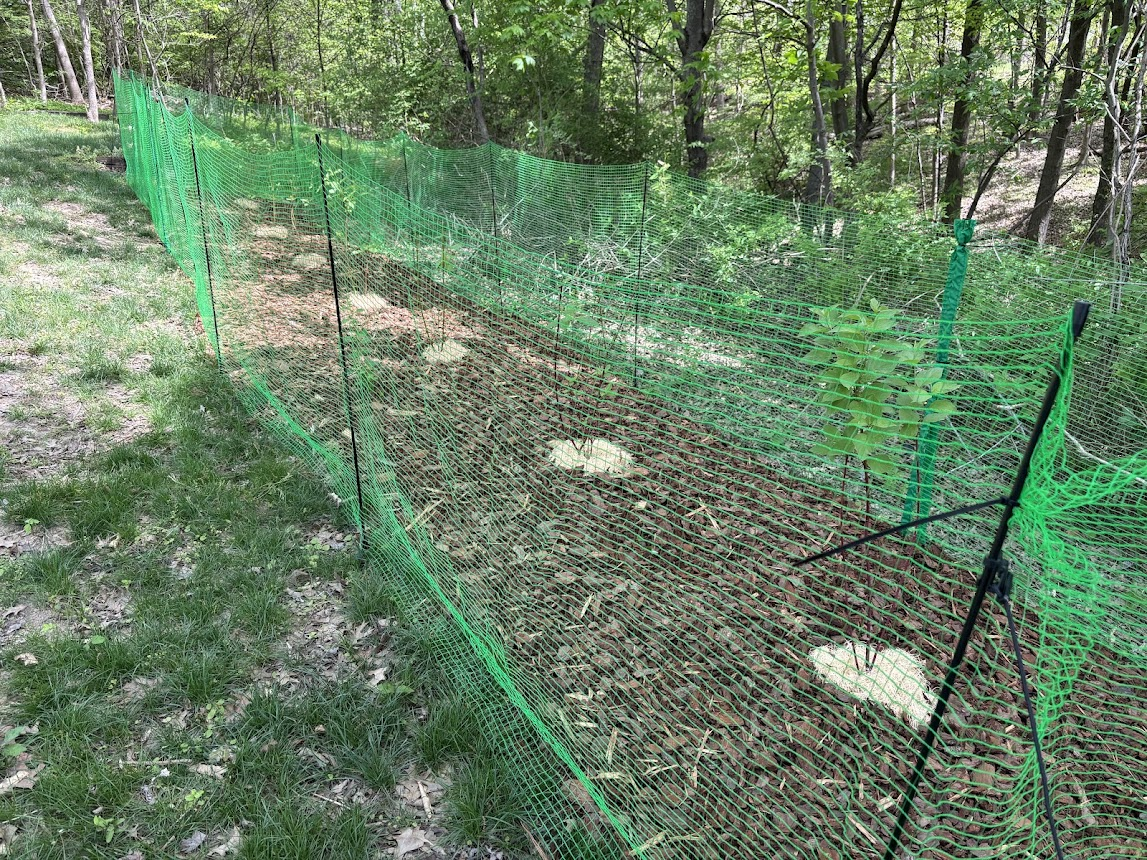
It was incredibly easy to install — it only took 30 minutes altogether — and so far it is keeping the deer out. And it doesn't look too bad. I mean, I certainly would prefer not having the fence around the shrubs, but because it's green, it blends into the forested background fairly well. Definitely better than the orange plastic fencing that Home Depot had on offer would have.
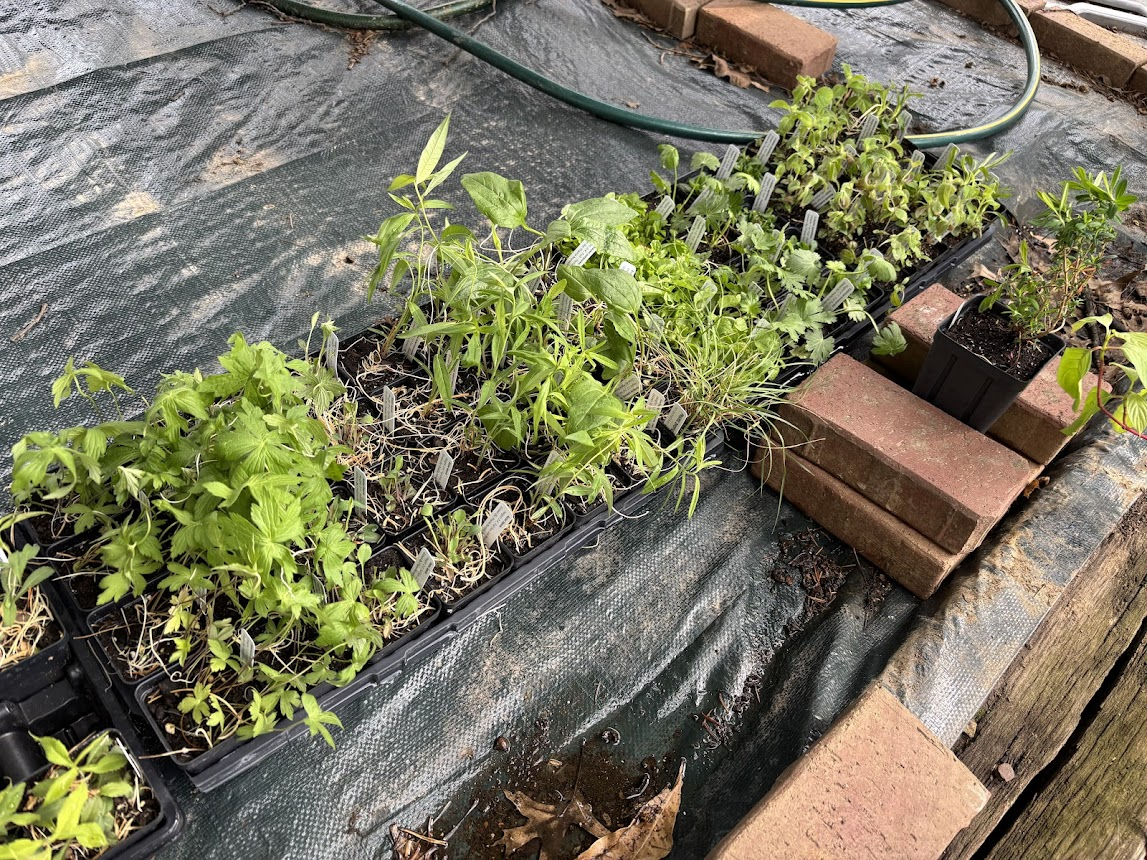
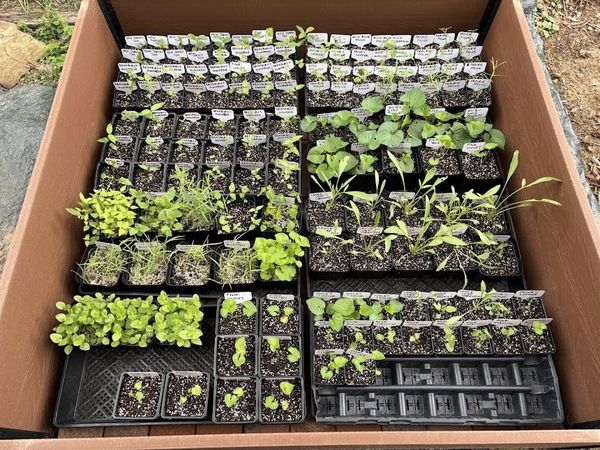
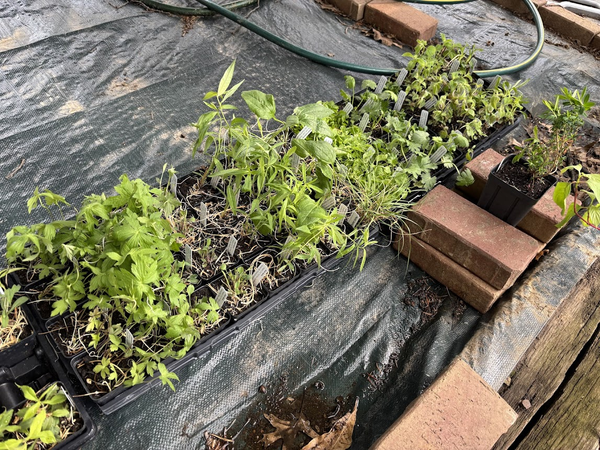
With my Dogwoods finally in the ground (and no longer being eaten by the deer), I was ready to move on to planting the other... 76 plants I'd purchased. I was very ambitious in my purchasing, and that turned out to be a big mistake. More on that next time; make sure to subscribe to get the next post in your inbox!
Next Post:
 Jessica Greene