#16: If I Could Turn Back Time
After nearly a year of sowing and seeing, I've learned a lot of lessons. In this post, I share what I plan to do differently going forward.
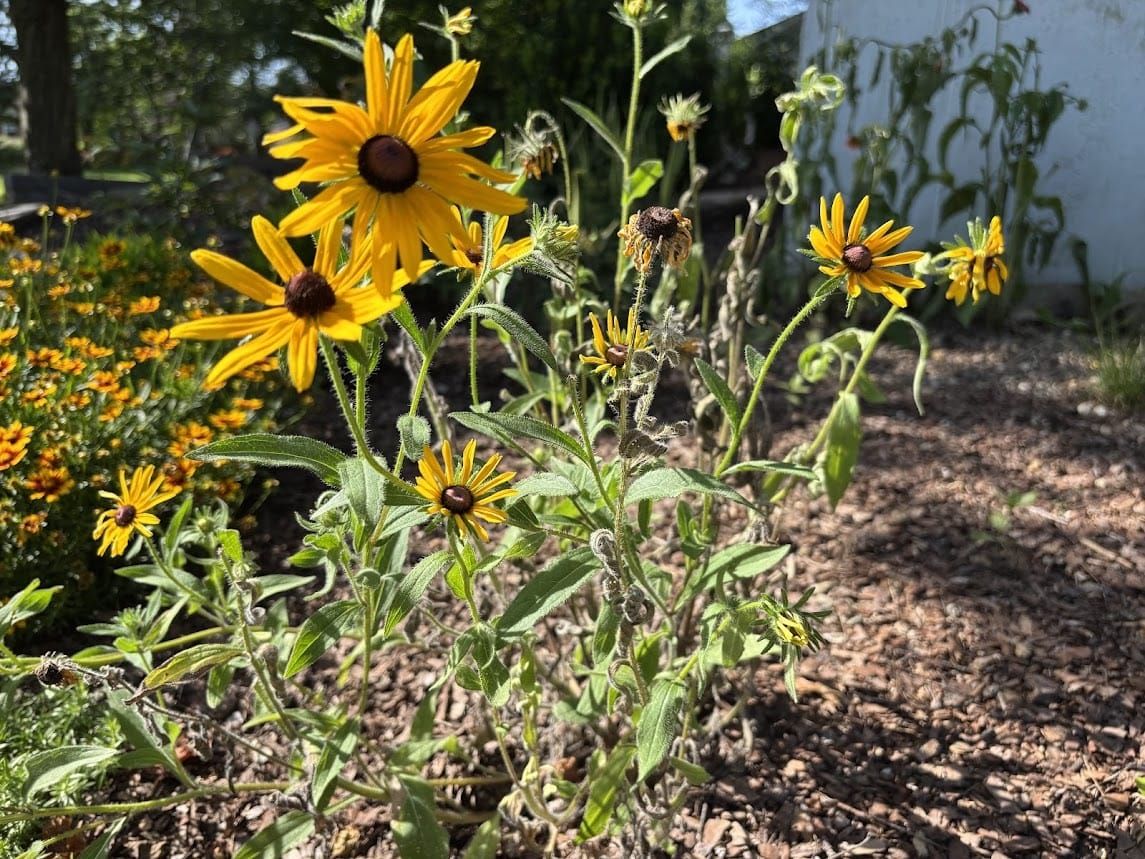
In August, I will have been sowing and seeing for a year, and I have to say that it's going about as well as you'd expect. When you jump into something with a small amount of knowledge, zero expertise, and a whole lot of ambition, you're bound to make mistakes. I knew that going in. But the mistakes have started piling up lately and feeling a lot more painful.
Interestingly, I think my biggest problem has been my ambition — even more so than my lack of expertise. If I had started smaller, I could have learned what I've learned in a much less expensive way.
In any case, hopefully you can at least learn from my mistakes. Let's go through them, what I've learned, and what I plan to do going forward to avoid making the same mistakes again.
Mistake #1: Buying way too many plants all at once
There are a few lessons here.
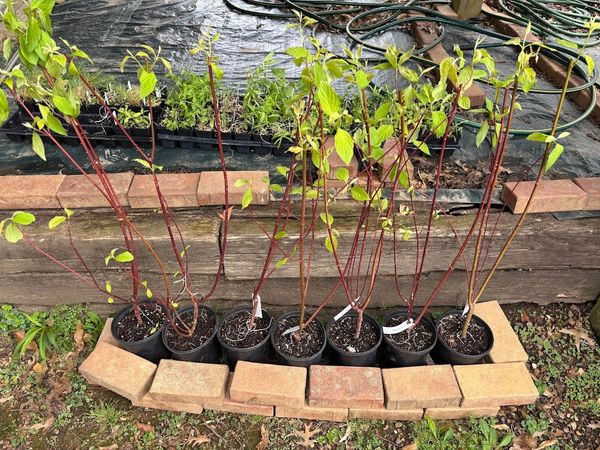
First, as I already covered in a recent blog post, buying 83 plants to be delivered on the same day is madness unless you have all of the prep work completed ahead of time. When you have no prep work completed, you will not be able to get things in the ground before they start suffering and dying in their temporary containers.
As a result, you will have to just put them in the ground wherever you can to keep them alive, planning to move them to their permanent homes later. But plants can be really fussy about being moved, so you might set yourself back this year because the plants you move will be sad all season while they're recovering from the transplant.
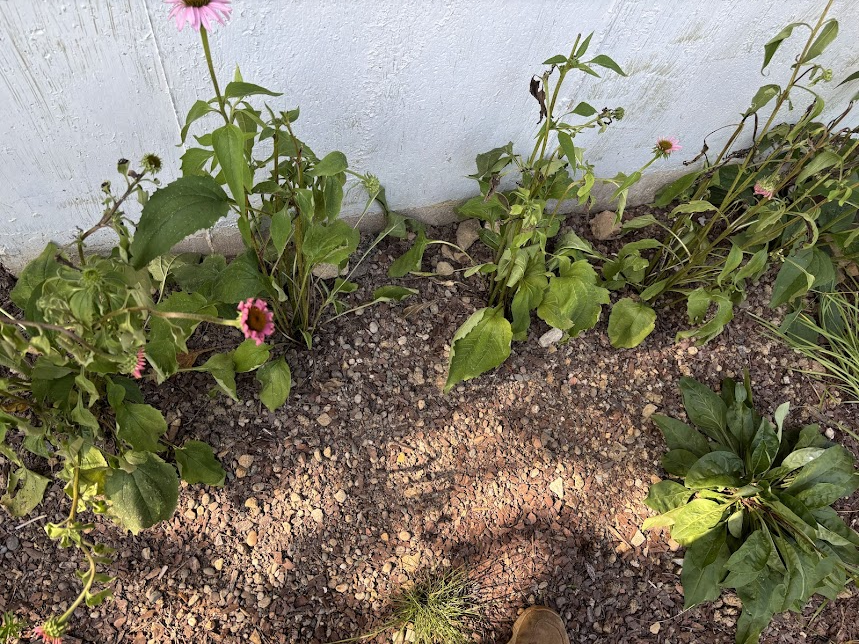
Second, I've decided that the pictures they display on plant buying websites are not very illustrative of how they will look in your yard/landscaping. A lot of times, the picture is of a massive number of those plants all grown together, so you don't really get a sense for what a single plant looks like on its own.
Additionally, the photos often show close-ups of the flowers but not the greenery below it, so when you see it in your yard, it's just not what you were expecting. I've realized that some plants simply will not work where I planted them because there was nothing to help hold their heavy flower stalks up.
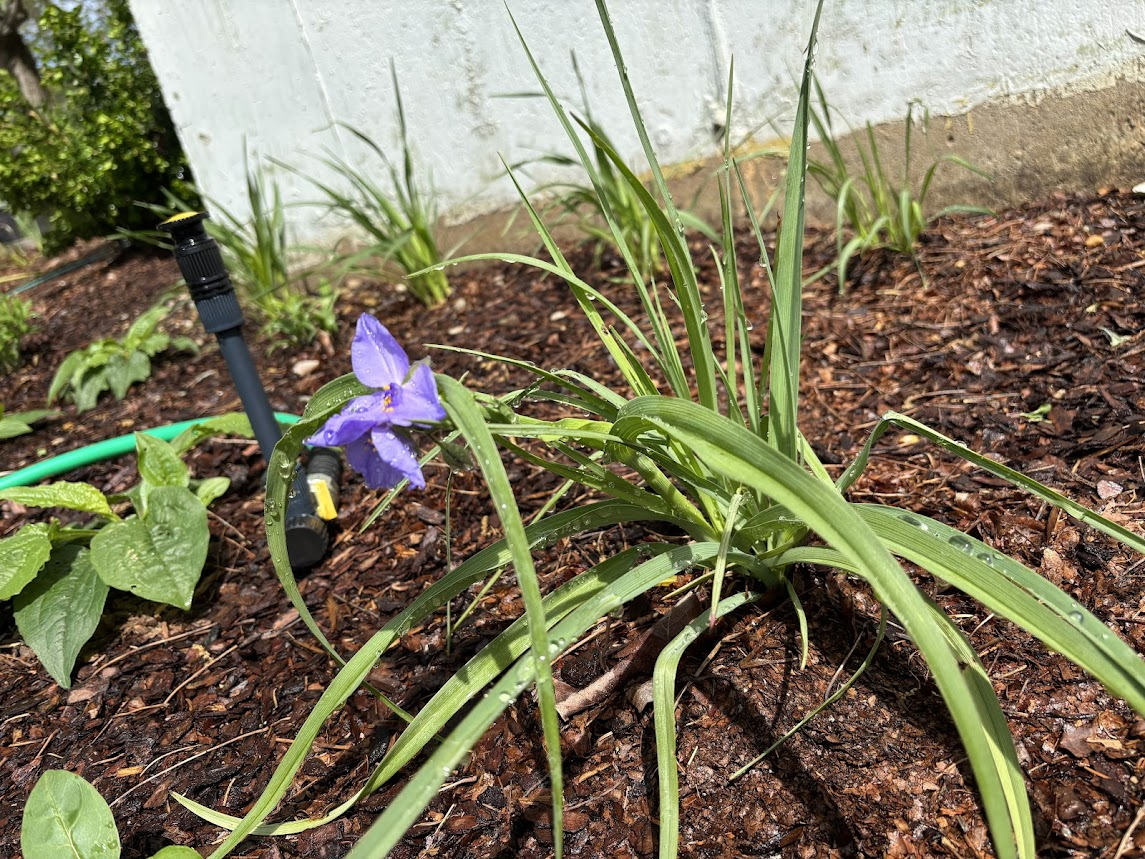
Other plants really need to be planted in clusters to not look sad and random.
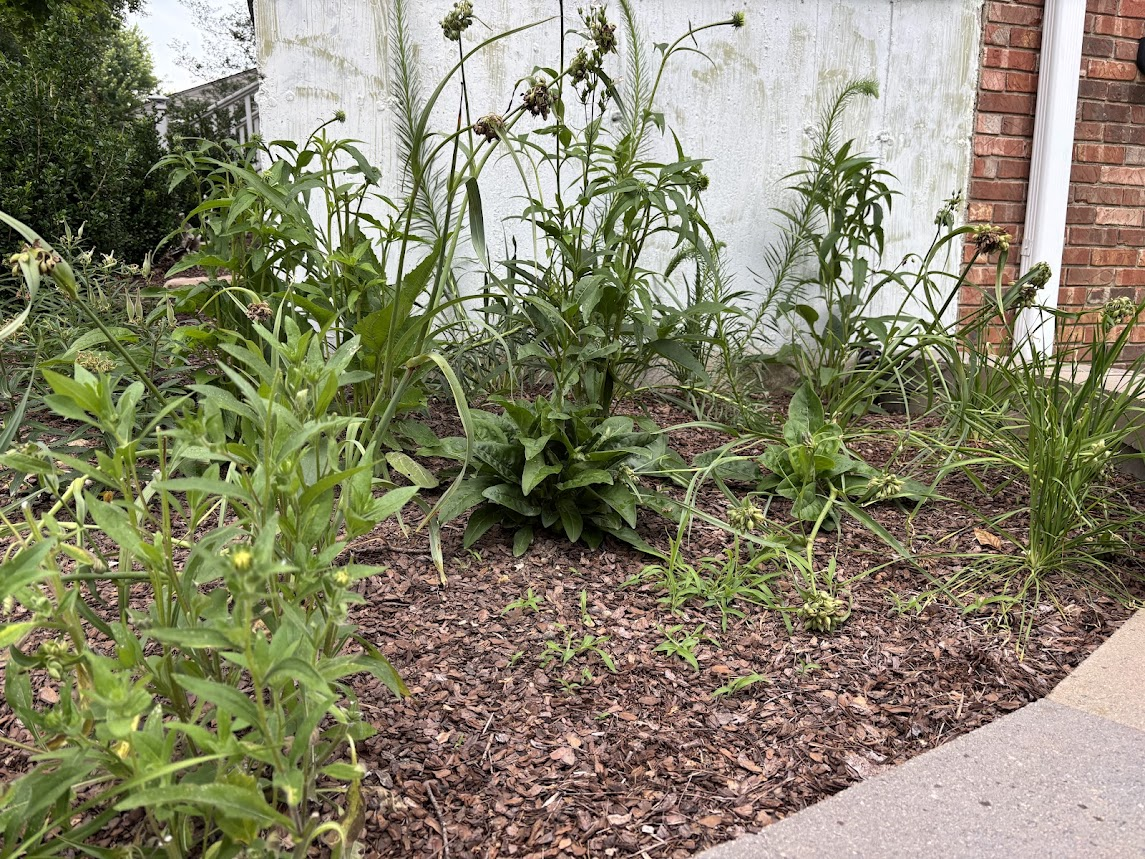
Third, labels like "deer resistant" and "rabbit resistant" are just hopes and prayers. The only way to know if the creatures who graze in your yard are or aren't going to eat something is to stick it out there and see what happens.
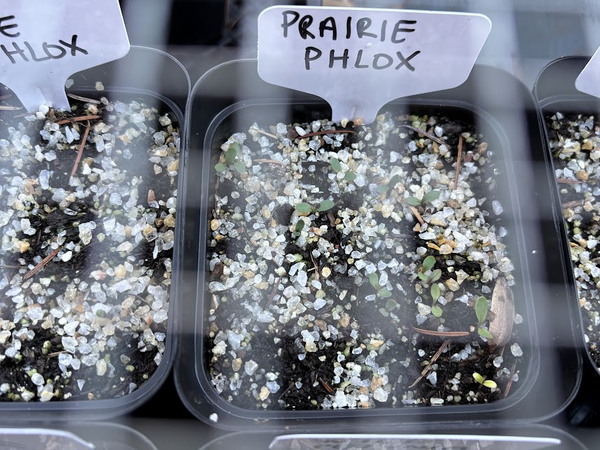
The deer came by and Chelsea chopped my "deer resistant" Purple Coneflowers (Echinacea Purpurea) and Black-Eyed Susans (Rudbeckia Hirta) just as they were getting ready to bloom. The bunnies have chomped every last leaf off of the Prairie Phlox I grew from seed, and it feels highly unlikely that they'll come back next year.
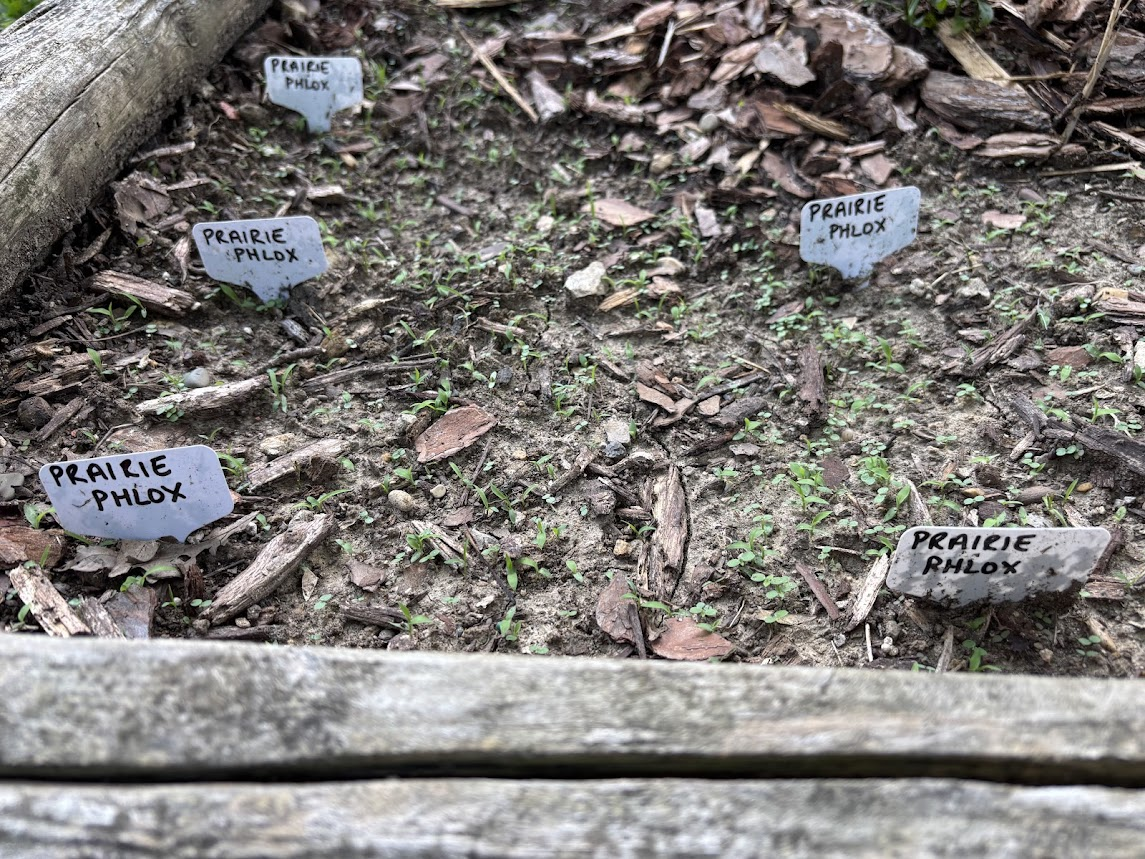
Lastly, some plants just may not do well in your soil for who knows what reason.
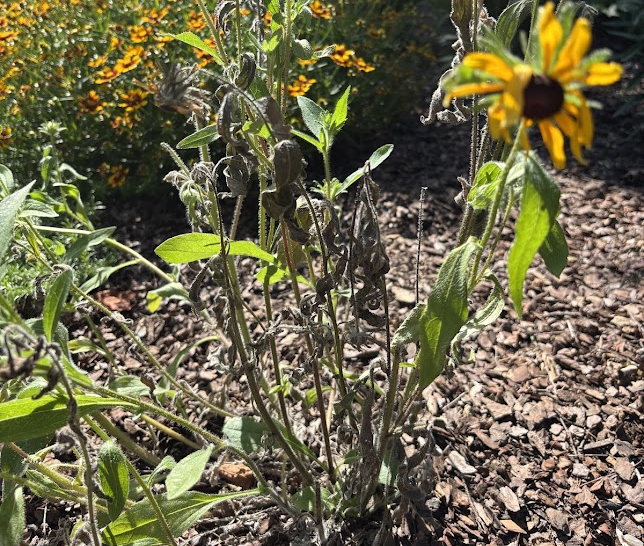
Last year, I bought a fully grown Black-Eyed Susan (Rudbeckia Hirta) from a nursery. It did well for a few weeks, but it then started rotting from its base. I thought maybe it was just a bad plant, so I bought five more Black-Eyed Susans from Prairie Nursery last fall and planted them. Only one actually showed up in the spring, and now it's rotting from the base just like the full-grown nursery plant I had last year.
The lesson
Going forward, my plan is to buy one of each type of plant at a time and then grow it for a season to see how it actually looks and behaves (and how delicious it is to the deer, bunnies, chipmunks, groundhogs, and probably a few nocturnal creatures I never see).
Doing things this way will be painfully slow, but it will save me a ton of money. I'm sure I've already lost a couple hundred dollars in plants that ultimately weren't right for my yard for one reason or another.
Mistake #2: Growing way too many plants from seed all at once
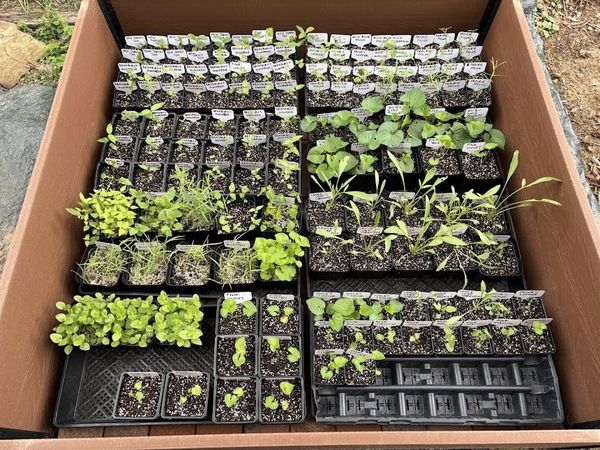
My winter sowing was incredibly effective — much more effective than I expected it to be. That should be a great thing, but it's July now, and I still haven't gotten all of the plants I grew separated. I still have eight containers full of plants that need to be separated before they start outcompeting each other for root space and killing their siblings off, and at this point, it just feels like it's probably not going to happen.
Growing plants from seed also delivered multiple lessons.
The first is one I talked about in detail in my third winter sowing follow-up. Sprinkling lots of seeds in a single container makes the process of getting the seeds into dirt and outside much faster in the winter, but it creates an incredible amount of work separating young roots and repotting plants in the spring if you successfully grow lots of plants. As I mentioned, it's July now, and I'm still not finished.
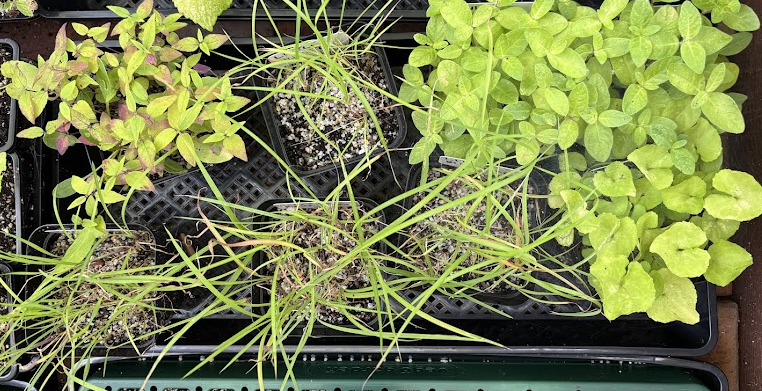
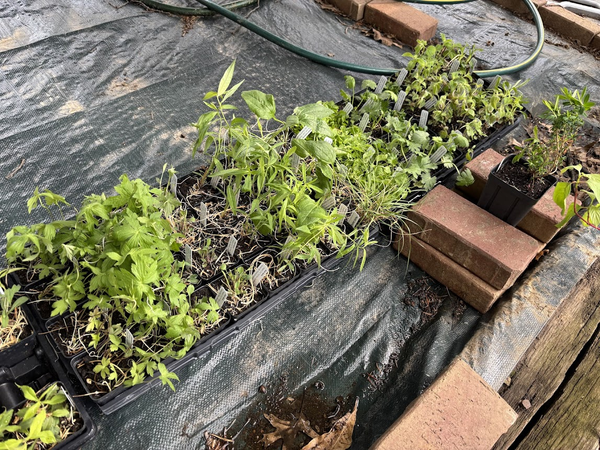
Second, just like with buying 83 plants from a nursery, you really need to have a plan for what you're going to do if you successfully grow 200+ plants from seed.
My little plantlings did pretty well for a few months, but once it started getting warmer out, they started to suffer in their containers. To try and keep them alive, I planted them in a temporary space that I could move them out of later, but then the bunnies came by and ate a lot of them down to the dirt. I'm going to leave the roots there to see what happens, but I seriously doubt they're going to recover from that.
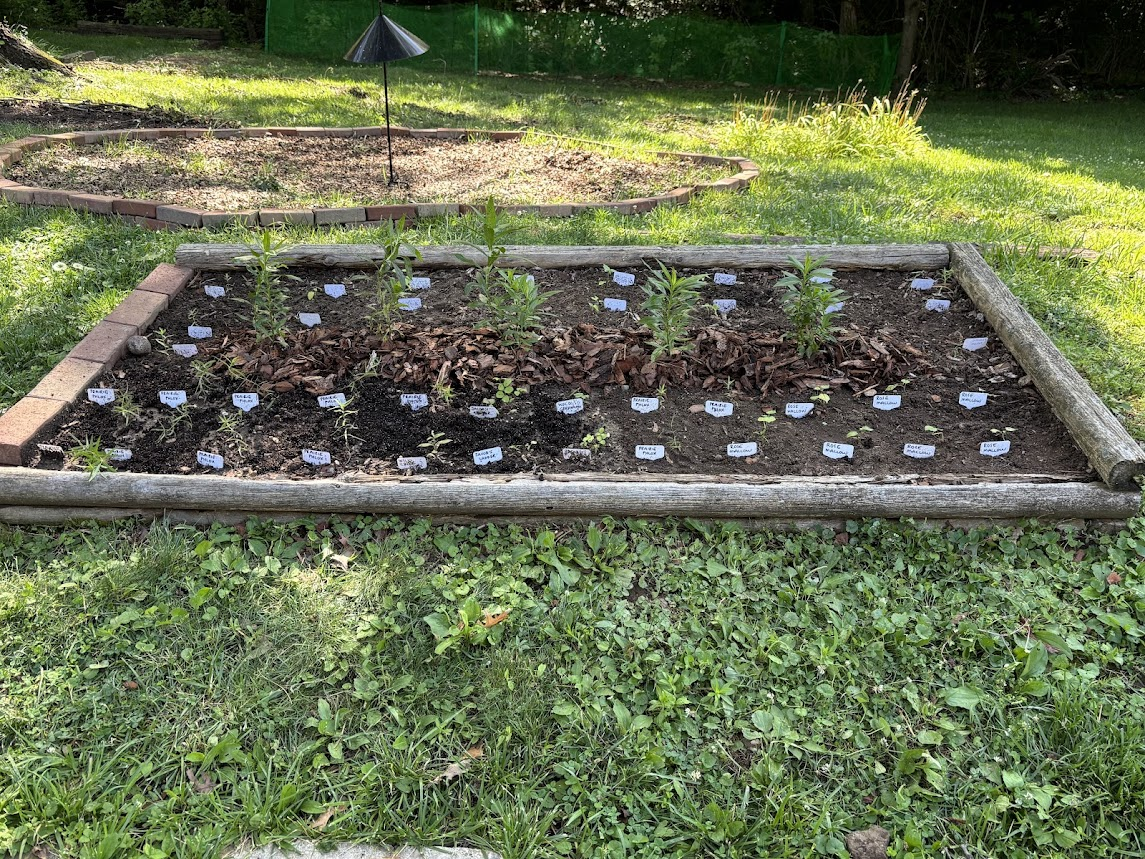
And maybe also have some friends you can donate plants to when you're too successful? I could fill a park with the number of Bradbury's Monarda (Monarda Bradburiana) I grew.
Finally, I think it's important to start with one packet of seeds and see how it goes. Kind of like my ever-dying Black-Eyed Susans, I bought 10 packets of Wild Blue Phlox (Phlox Divaricata) seeds and four packets of Jacob's Ladder (Polemonium Reptans) seeds, and I only managed to grow a single Wild Blue Phlox plant and five Jacob's Ladder plants.
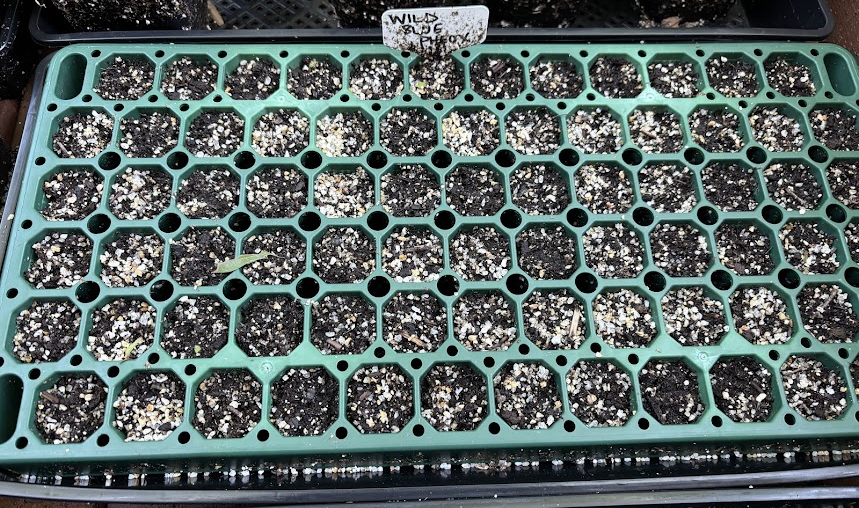
Others I had incredible success with growing, like Bradbury's Monarda and Wild Blue Violet (Viola Sororia), even though violets — according to Prairie Moon Nursery — are often difficult to germinate.
The lesson
Going forward, I'm only going to germinate single seeds in single containers. I'm going to have a plan for what I'm going to do with the plants that grow before they need to be taken out of their containers, and I'm only going to buy one package of seeds until I learn whether they'll germinate in my conditions or not.
Also, I guess I'm going to buy lots of temporary fences. I will be happy for the creatures who graze in my yard to eat whatever appeals to them after the plants are established and can endure a chomp down, but in the meantime, I need to find better ways to protect my babies.
Alright, enough with the whining
There have been a lot of lessons this year, but there have also been highlights.
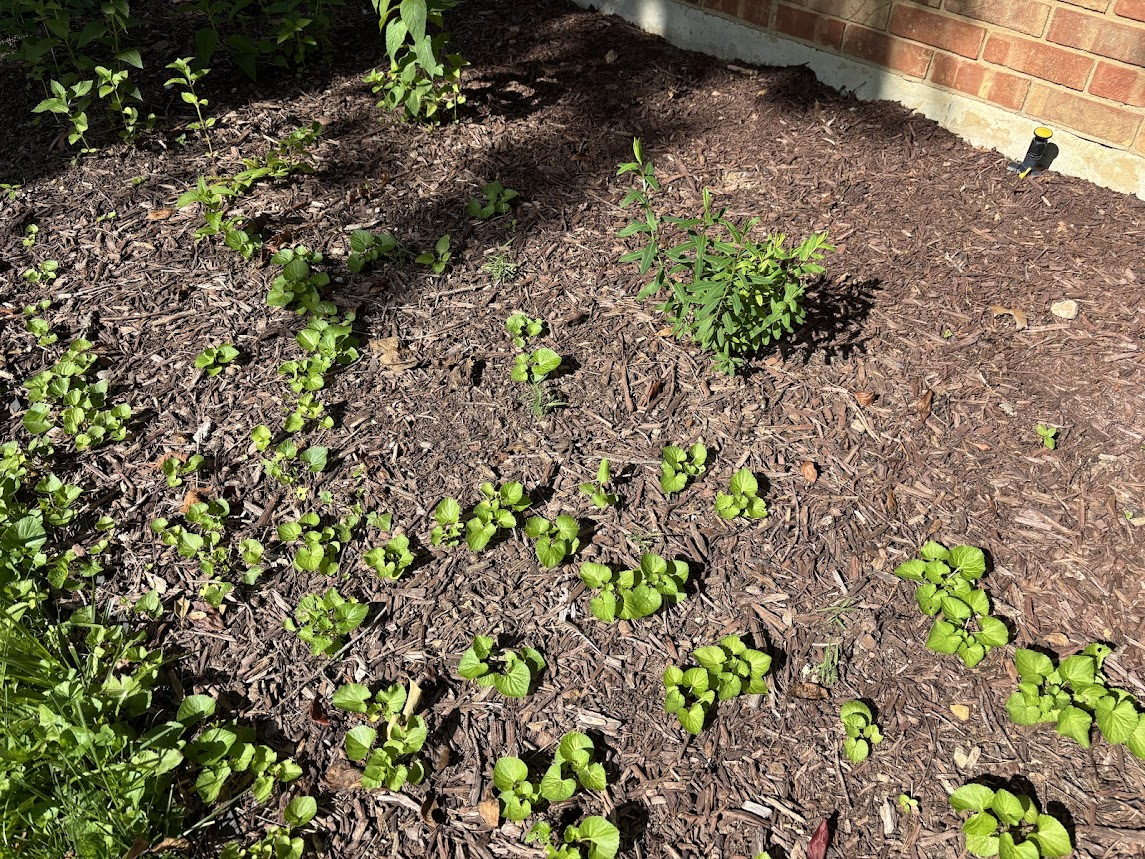
After I grew my first Wild Blue Violet plants from seed, I started being able to recognize them growing in my yard and landscaping. In years past, I've been weeding them out of my landscaping. This year, I didn't do that because I know what they are, and now I have tons of violets I didn't have to pay anything for.
I also have lots of plants putting on flowers even though I only got started with this last August. Seeing them bloom makes me incredibly happy.
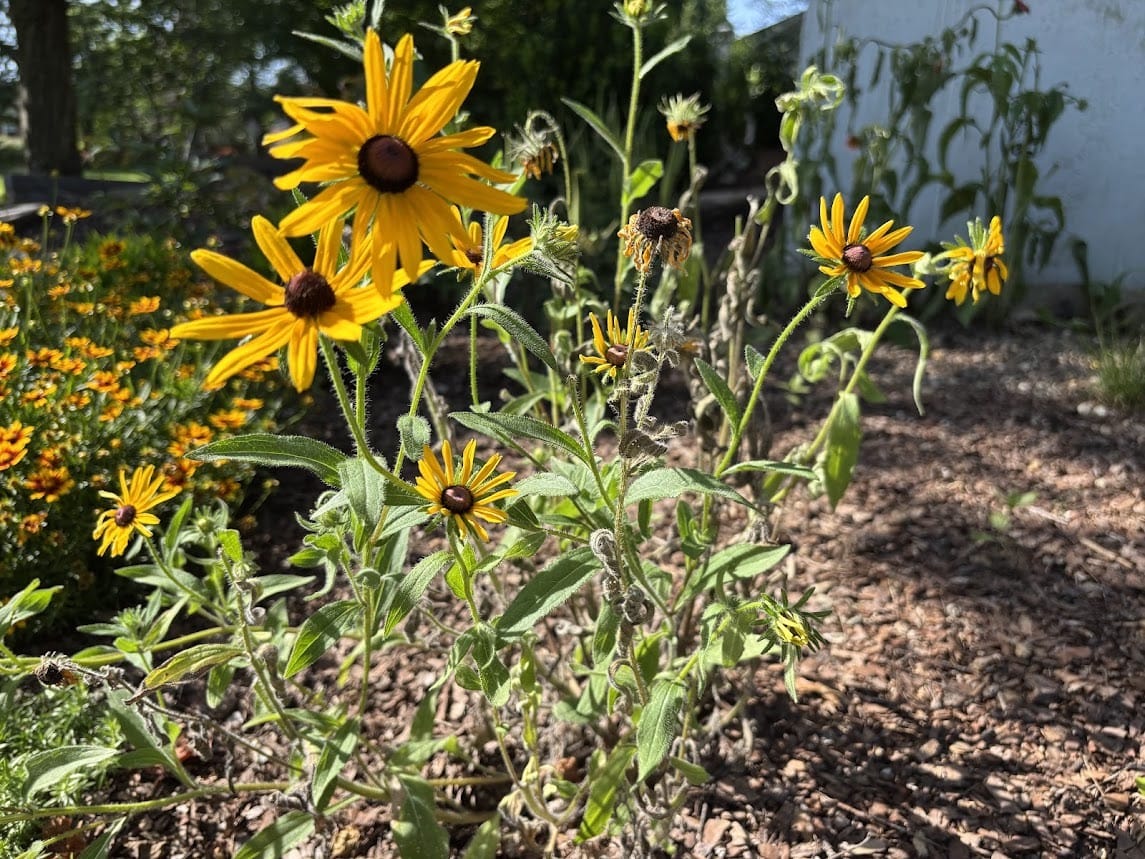
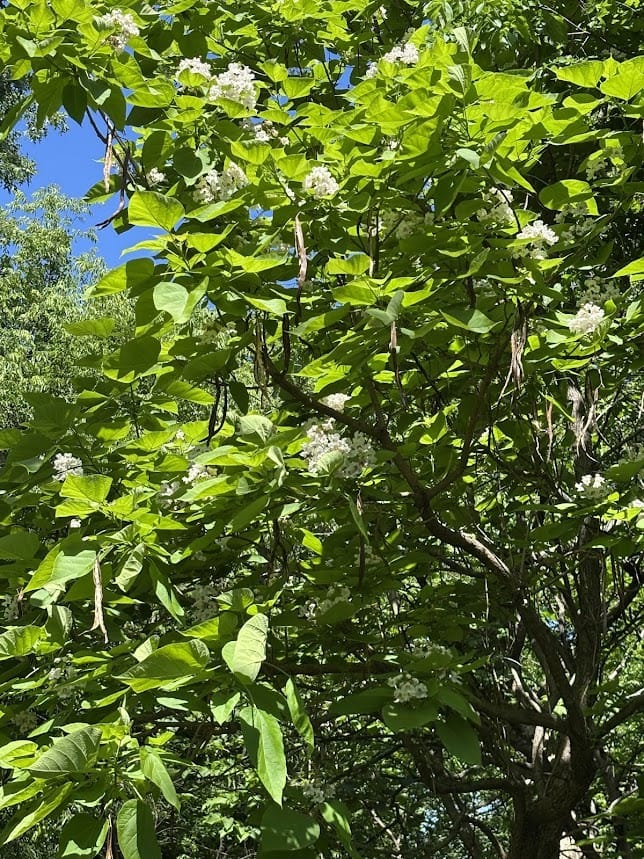
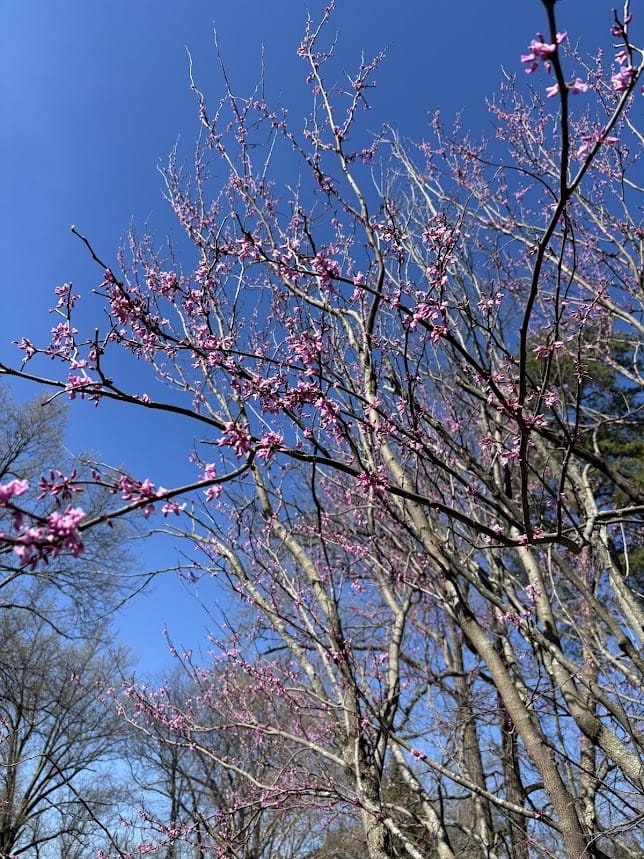
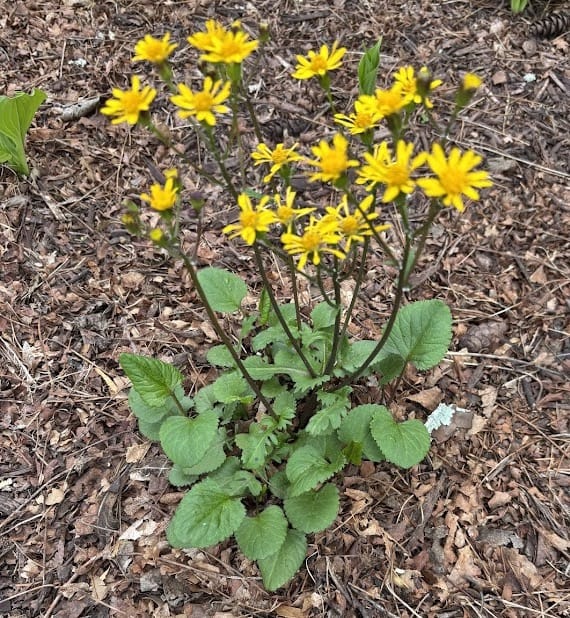
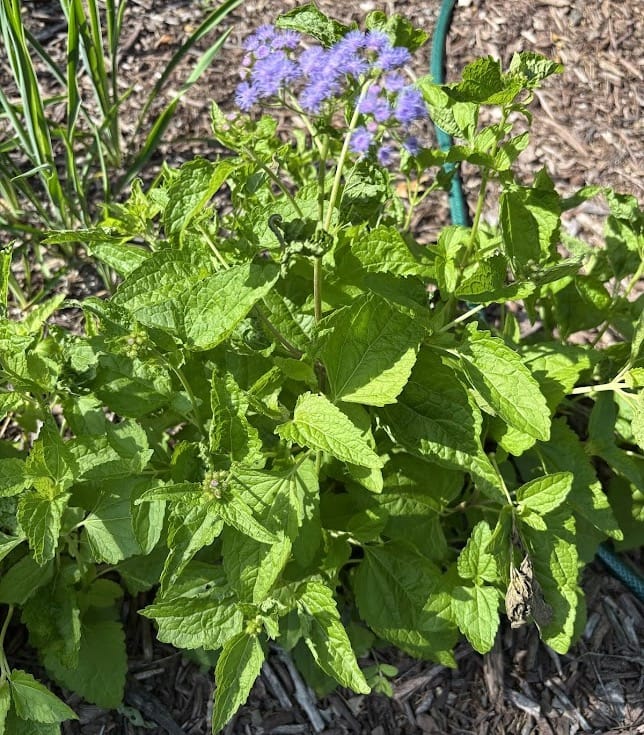
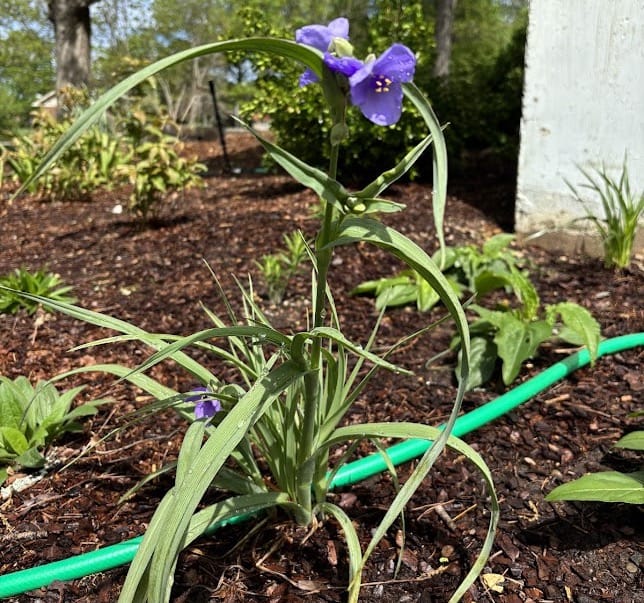
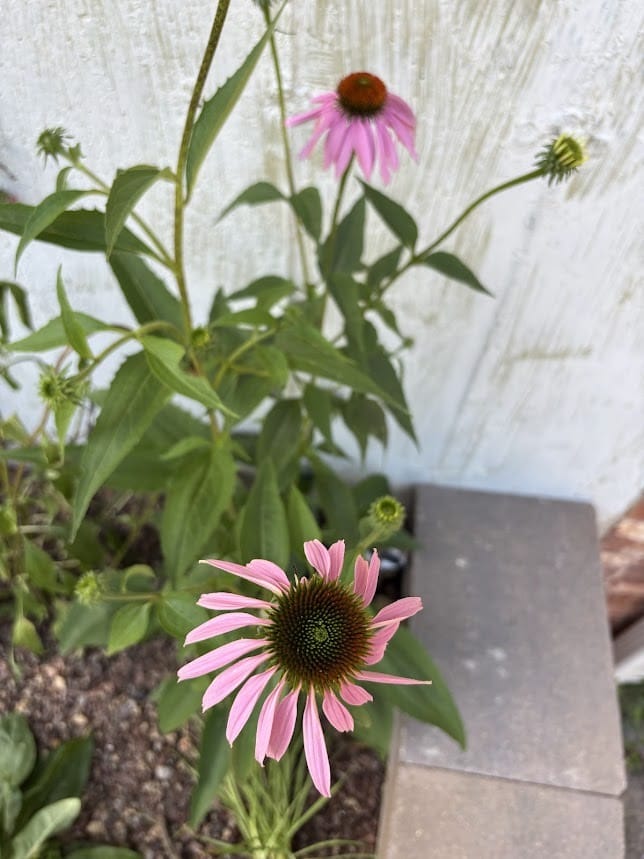
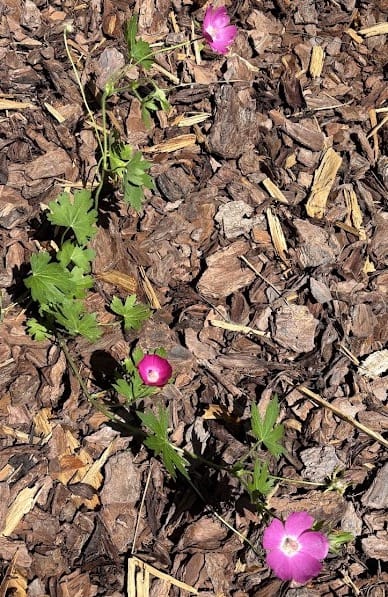
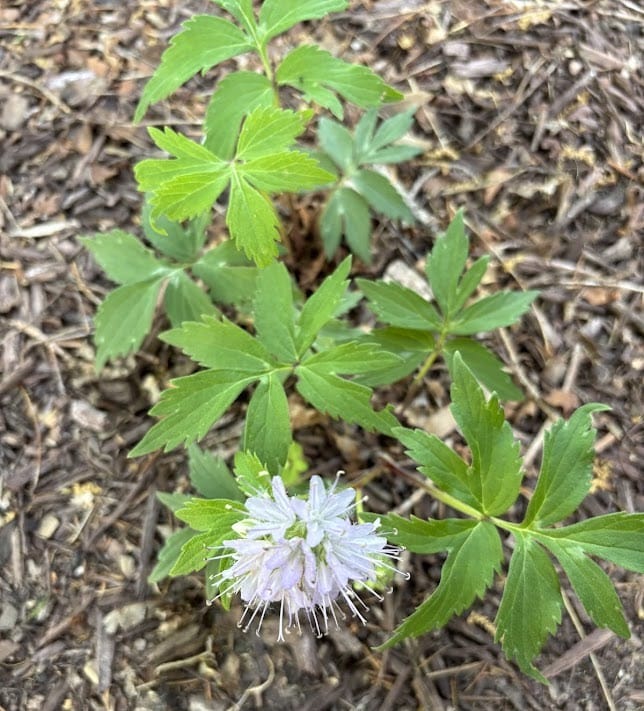
From left to right, top to bottom: Black-Eyed Susan (Rudbeckia Hirta), Northern Catalpa (Catalpa Speciosa), Eastern Redbud (Cercis Canadensis), Golden Groundsel (Packera Aurea), Mistflower (Conoclinium Coelestinum), Ohio Spiderwort (Tradescantia Ohiensis), Purple Coneflower (Echinacea Purpurea), Purple Poppy Mallow (Callirhoe Involucrata), and Virginia Waterleaf (Hydrophyllum Virginianum).
And finally, I'm making some progress on getting my back yard into shape again, which is step one in being able to eventually fill it with wildflowers. The process has been a lot of fun (and a lot of work); I actually just got five cubic yards of garden soil delivered to my house this week. I have to say, I never imagined as a young person that one day I'd be really excited about buying a big pile of dirt.
Anyway, restoring the back yard is a whole story of its own, so I'll write about that next time. Make sure to subscribe so you don't miss it!